Style a Master Bedroom as a Sleep Retreat
There’s big buzz these days about the importance of getting enough Z’s for health, happiness, and productivity. Help clients analyze if a master bedroom can incorporate all the essentials to promote a good night’s sleep.
Adults spend more time in their bedroom than in any other room in their house. But you wouldn’t know it from the home sales process. Buyers and sellers alike often pay more attention to kitchens, master bathrooms, closets, and yards than they do to this vital space where they will usually spend more than a third of their 24 hours each day.
“Who spends that kind of time in the kitchen?” asks sleep expert Nancy H. Rothstein, founder of The Sleep Ambassador in Chicago, a source for education, consulting services, and resources that optimize healthy sleep.
Yet more attention is being paid to the importance of getting adequate sleep, from high-profile advocates like Arianna Huffington, who recently published her book, The Sleep Revolution: Transforming Your Life, One Night at a Time (Harmony, 2016), to medical professionals. “Fewer than six hours [a night] can lead to diseases — a higher rate of diabetes, obesity, cardiovascular problems, and even shorter life spans,” says Dr. Susheel Patil, clinical director of Johns Hopkins Sleep Medicine in Baltimore.
While there’s no magic figure for the amount of sleep one should get, Patil suggests adults try for seven to eight hours on average. Dr. Michael Breus, a board-certified sleep specialist in Los Angeles known as The Sleep Doctor, uses his household as an example of the variation. “I need between 6 1/2 and 7 hours while my wife needs between 8 and 8 1/2,” he says.
Buyers and sellers alike should strive to furnish a master bedroom that contributes to high-quality sleep. Updating or remodeling the room offers another benefit, says certified color consultant Michelle Mohlere, a salesperson with Gibson International in Los Angeles. A nicely designed bedroom is likely to bring in more money at resale than one without these touches, she says.
Sellers looking to better stage this room will also gain from the following six steps:
1. Stage the bed in a choice spot. Connecticut architect and author Duo Dickinson prefers the bed be set away from the room’s entrance to keep it out of the main circulation path. Kathryn Baker, vice president of design services with Polaris Pacific, a real estate sales and marketing firm in San Francisco, likes to place a bed in a spot so occupants can enjoy the best view — whether that’s inside (maybe toward a fireplace or favorite piece of art) or outdoor (with views of trees or water where possible). Chicago designer Michael Del Piero suggests pairing a bed with an upholstered headboard for those who like to sit up in bed and read; she dresses up the bed with decorative pillows, a duvet, and a throw to personalize it and make it more welcoming to tuck in for sleep.
Encourage Buyers to Find Their Right MattressDr. Michael Breus says sleep should be considered a performance activity like running, and, as in any activity, the equipment matters. “I can do a race wearing flip-flops, but my time won’t be as good,” he says. “It’s the same thing with sleep. If I have the right mattress and room setting, I’ll sleep much better.” In his bookThe Sleep Doctor’s Diet Plan: Lose Weight Through Better Sleep (Rodale, 2011), he notes that the right kind of support varies by sleep position, challenges like snoring or back pain, and temporary conditions such as pregnancy.Today, there’s a dizzying array of mattress options. Some retailers continue to compete with traditional brick-and-mortar stores under the assumption that customers still want to test-drive choices. But new companies such as Tuft & Needle, Casper, andBrentwood Home sell online — often employing lower prices and flexible return programs.Home owners may be happy to learn they don’t have to spend thousands of dollars for bells and whistles, bespoke construction, and high-end materials such as cashmere; there’s no scientific proof that greater expense yields better sleep. Instead, Breus suggests reading about different mattress options, narrowing selections to a few, and heading to a store with your own pillow to test each, duplicating your favorite sleep positions. In the end, the process may be more akin to buying a house than you’d think; the right mattress should work for each person and their budget.
2. Install the right window treatments. Minimal is the design mantra when it comes to much of the standard room décor today. But while no coverings in some rooms, such as kitchens and living rooms, allows in more light and views, some amount of treatment in a bedroom is needed to block outside light and provide privacy. Del Piero likes to use a blackout shade behind a transparent shade or drapes or a woven wood shade with blackout drapes. Baker favors motorized shades to make opening and closing a task that can be performed from the bed or set by a timer.
3. Use the right lighting. Dickinson discourages installing recessed cans since they chop up a ceiling and aren’t attractive to look at while in bed. He prefers task lighting from lamps on night tables or wall-mounted sconces. Michigan designer Francesca Owings likes hanging one decorative fixture in a ceiling’s center for an aesthetic punch. Sensitive sleepers might appreciate the new Good Night Biological LED bulbs that claim to help regulate a body’s natural circadian rhythm through the production of the hormone melatonin, which helps control sleep and wake patterns, says Breus.
4. Conceal or banish electronics. For years, scientists and health professionals have known about the danger of the blue light that comes from certain electronics equipment and adversely affects melatonin production, says Patil. But only recently have they suggested that you can enhance unwinding and falling asleep by turning off TVs, smartphones, and iPads at least an hour before bedtime. Shutting them off also helps train the brain that the bedroom is primarily a place to sleep rather than stay awake, Patil says. If the temptation is too great, home owners might consider making the master bedroom a no-electronics zone. Baker’s company furnishes model bedrooms in its residential projects without TVs and other electronics technology to demonstrate this idea. “People have responded favorably, and some put TVs in a second bedroom or home office” instead, she says.
5. Pick a soothing palette. Of course, color is a personal preference, but color experts can offer guidelines. “You can’t say one is soothing for all and will make a person feel calm,” says Jessica Boyer, a Chicago designer with Susan Fredman Design Group. Sue Wadden, director of color marketing for paint manufacturer Sherwin-Williams, says colors that aren’t extreme are more restful. “They’re neither too bold, dark, bright, or intense. Rather, soft and calming,” she says. Designer Kimba Hills of Rumba Style in Los Angeles prefers a palette of pale blues, greens, beiges, grays, and whites for the bedroom. Boyer also likes to bring in bedding in white and light creams because she finds they’re calming. “It’s the equivalent of sleeping in a cloud with nothing to distract me. What’s important isn’t what’s trendy but nurturing,” she says.
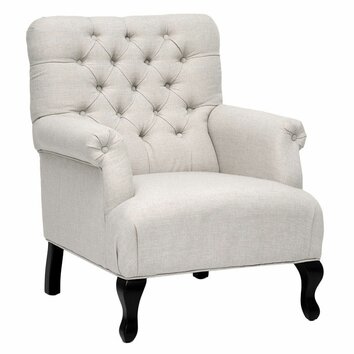
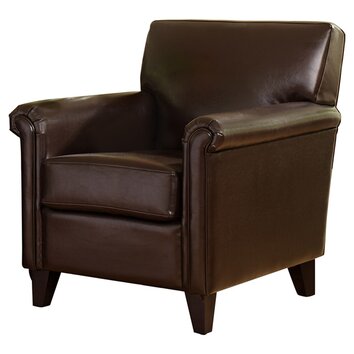
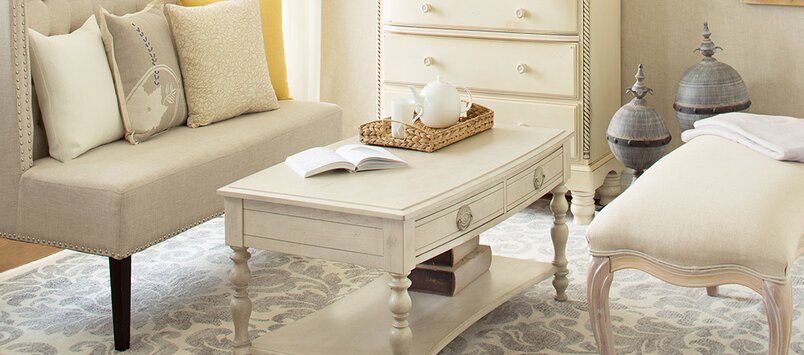
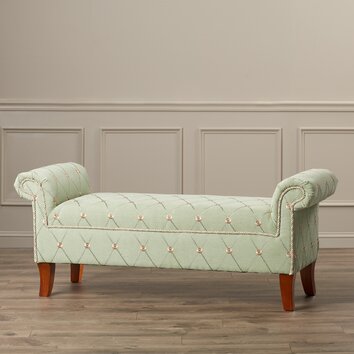
6. Add creature comforts. If the room’s size allows, consider adding a chaise, chair and ottoman, and night tables. Also, a large area rug or wall-to-wall carpeting can help deaden noise and provide warmth underfoot, says Owings. If the room is located so it opens directly to the outdoors, play this up. Mohlere says real access to bucolic scenery can contribute to a sense of tranquility even more than just viewing the outdoors can. If outdoor access isn’t possible, check to see that windows are operable for fresh air. Other amenities worth considering: a gas- or log-burning fireplace for coziness, artwork for eye candy, and good storage for tidiness. “Too much clutter is distracting,” Rothstein says.
At the end of the day — or the beginning of a new one — real estate pros can emphasize the master bedroom as one more “fabulous room where you spend time in your new home,” Rothstein says.