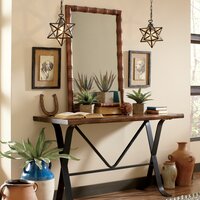
Showing posts with label investment property. Show all posts

Sunday, April 8, 2018

Top Ten Things Agents Do That Sellers Love

We know sellers need agents. In fact, 89 percent of sellers list with one. But how do sellers rank agent services in order of importance? We analyzed the data in the Zillow Group Consumer Housing Trends Report 2017 and found sellers most valued when agents:

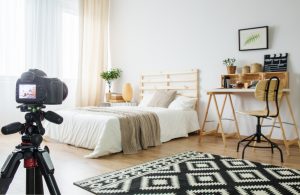
10)  Stage the home

9)   Arrange video and other media to showcase the home

8)   Provide legal advice

7)   Hold open houses and private tours

6)   Determine the home’s list price

5)   Promote listing on real estate sites

4)   Arrange for photographs to be taken of the house

3)   Lead contract negotiations

2)   Give guidance on the overall selling process

Most importantly … 

1)   Find interested buyers

The Zillow Group Consumer Housing Trends Report 2017 has even more ideas on how you can help your sellers during such a stressful time in their lives. Take a look to learn more about buyers and sellers, and how you can shape their experience.

Tuesday, August 30, 2016

5 Things Renters Should Know

5 Things Renters Should Know About Owning

For renters who aspire to be home owners, transitioning from an apartment to a house requires a shift in their thinking that they may not be prepared to make. The financial changes that come with owning, the need to consider planting longer-term roots in a neighborhood, and new neighborhood rules are things renters may not be thinking about enough.
As their real estate agent, it’s important for you to be there for your clients when they’re embarking on a life-changing event such as buying a home.
Moving can already be one of the most stressful times in a person’s life, but it may be doubly so for a new home owner. In order to be their most reliable resource, using your knowledge and experience to provide them with guidance, share these helpful nuggets of information with your clients so their transition from renter to owner can be as smooth as possible.
They need to understand how their financial investment is changing. Renters may see an increase in their monthly rent every lease term, but they don’t see exactly where it goes — toward property taxes and insurance, even “luxuries” such as trash pickup. As home owners, they don’t have a landlord who handles all those details, so they need to be ready to juggle the financial responsibilities of home ownership. Have an open conversation with your clients about these changes and the importance of budgeting to make sure they make smart financial decisions during this process.
They need to be happy with their location for the long-term. As a renter, you can bounce around from home to home every year if you want. But when you own a home, you have to stay put — unless you plan on renting it out, which most home owners don’t. Impress upon your client that location is going to play a much more significant role in their future, so they should think about evaluating school districts, access to amenities, and commute time now as they search for their next home.
They may need to abide by new rules. Renters don’t think about possible homeowner association rules they may be governed by, such as trash pickup rules or any curfews or rules pertaining to animals. Make sure to get all the information on neighborhood rules and associations to help your client understand what their new obligations will be.
They’ll need to get into the mindset of an owner. Life as your client knows it is about to change. Once your client purchases a new home, they will no longer have a landlord to tend to their many needs, including lawn care and plumbing. The best way you can help them as their real estate agent is to provide them with contact information for local industry experts. They will eventually need certified specialists ranging from HVAC companies to carpenters to electricians. Let them know they don’t have to do everything themselves.
They should know their neighbors can affect their value. Renters don’t care who their neighbors are as long as they’re quiet (enough). But your client is now going to want to know whether their new neighbors are renters or home owners. This knowledge can help your clients gauge current and future home value in the neighborhood. If the neighborhood consists mostly of rental properties, it is likely a home owner will lose money on their house in the future. Renters do not always feel responsible for maintaining their properties the way home owners do. Property value comes down to curb appeal. Less-appealing neighborhoods often have more-appealing prices, which is not always good for buyers and home owners.
Source: Rob Rimeris is owner of EverSafe Moving Co. in Philadelphia. EverSafe is a five-star, full-service company that offers affordable moving and storage services

Wednesday, June 22, 2016

The Classic Style Guide


If historic detail and classic grandeur define your tastes, a traditional look could be your home’s perfect fit. Whether you’re outfitting a townhouse in the city, decorating a stately Colonial or Tudor, or simply looking to add a sense of elegance to an updated apartment, traditional furniture and decor bring warmth and polish to any home. Follow these tips for pulling together a timeless look.
Classic Style 101: The components of traditionally elegant decor
  1. Timeless Details:  For a look that will never go out of style, incorporate Oriental rugs, furniture with classic elements like turned legs and carving, and antiques-inspired accents like ceramic lamps and gilded mirrors.
  2. Grand Proportions:  Complement a larger room’s proportions with oversized pieces that command attention: a dining table fit to entertain a crowd, a four-poster or sleigh bed, or a generously sized Chesterfield sofa.
  3. A Sense of History:  Incorporate antiques as well as traditional silhouettes such as Louis-style dining chairs, secretary desks, wingback chairs, and trestle tables. To freshen the aesthetic, look for classic shapes in updated materials such as neutral linen or jewel-toned velvet.
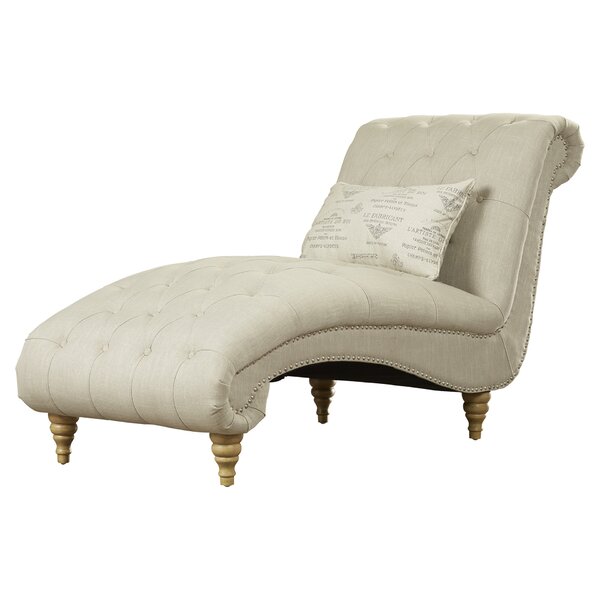

  4. Timeless Materials:  When choosing traditional furniture, lighting, and accents, you can’t go wrong with proven, durable materials such as linen, polished wood, brass, leather, and marble. Incorporate shine with crystal chandeliers, silver and gold accents, and lacquered furniture.

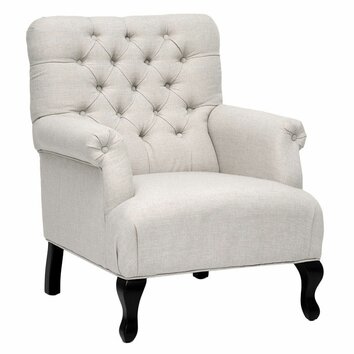
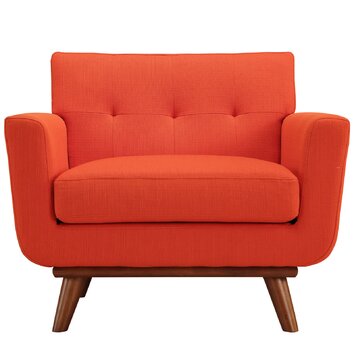
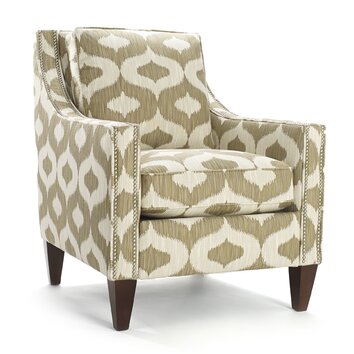
Tufted armchairs are a good choice for the traditional style room.

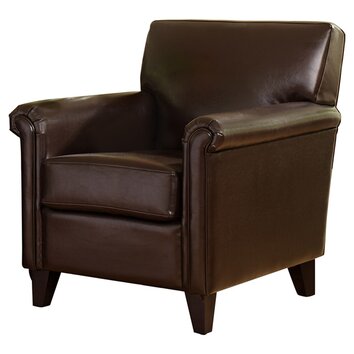
Leather upholstery is a timeless look that will always be in style.
Elements of Traditional Style: How to put together a classically refined look
The Palette:  A traditional interior is all about understatement—designs that catch your eye but don’t feel trendy or overdone. Consider decorating within one of the following palettes, which add depth to a space while retaining a sense of elegant restraint.
  • Polished Neutrals:  Cream, taupe, and espresso are versatile tones that blend well with nearly any accent colors and decor. Stick to neutral shades on your foundations, such as walls and upholstered furniture, and incorporate texture via plush pillows, rugs, abstract wall art, decorative lighting, and accents with a hint of shine.
  • Classic Drama:  A neutral palette with one or two deep color pops, such as navy, deep claret, olive, or rich gold, walks just the right line between conservative and fashion-forward. Vibrant window treatments, accent chairs, pillows, and throws are perfect ways to incorporate bolder shades while maintaining Traditional style.
  • Gorgeous Grayscale:  The combination of black, white and gray feels both sleek and traditional. Mix furniture and accent pieces in black and white, and incorporate grayscale patterns to provide visual interest. For added drama, layer in glossy lacquer, shimmering mercury glass, and touches of brass, chrome, and pewter.
Choosing Traditional Furniture
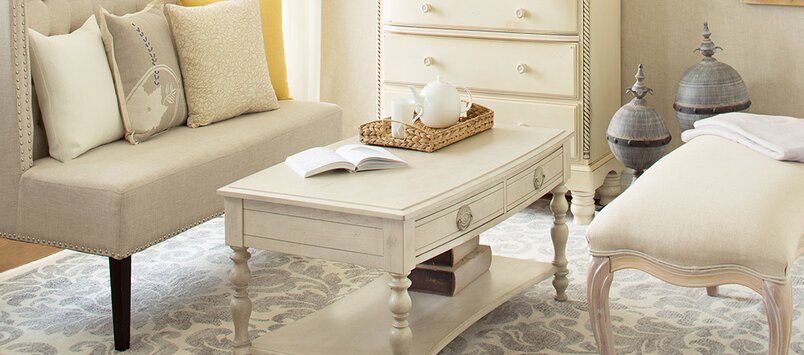
For traditional spaces that still feel fresh, aim for a balance between old and new, antique and contemporary. Opt for a more contemporary china cabinet or etagere, while picking traditional couches and loveseats matched with an antique estate sale coffee table. Nailheads, tufted fabrics, and linen upholstery are great ways to help your home achieve the traditional style look. These guidelines below can help you select just the right blend:

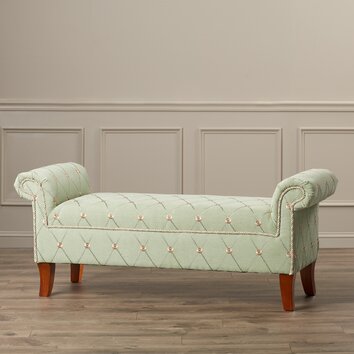
Showcasing a diamond trellis motif and rolled arms, this charming traditional bench makes the perfect addition to your master suite or entryway.
  • Choose classic silhouettes:  Wing chairs, spool chairs, trestle tables, and chaises are beloved for a reason and essential traditional furniture choices. Features like cabriole legs, and claw feet make tables and chairs feel regal, and interesting details keep the eye moving from piece to piece.
  • Look for tailored upholstery:  The traditional look is very finished. Hand-applied details such as button-tufting, nailheads, and welting convey refinement and speak to classic aesthetics.
  • Mix your finishes:  For a collected look, combine wood furniture in ebony, cherry, and chestnut shades. Don’t be afraid to break up a living room or bedroom set. Mixing in glass and stone-topped tables can add to a room’s layered effect.
Traditional Accents & Decor
A hand-selected assortment of decorative touches sets a thoughtful, dignified tone. Consider these ideas when choosing accents for your traditional space.
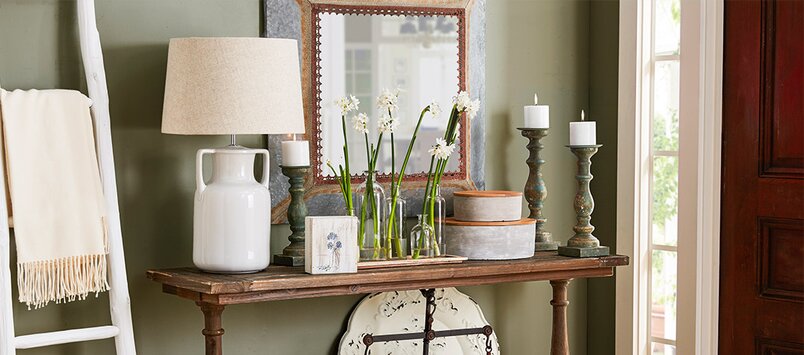
  • Mix in antiques:  A few key heirlooms lend seriousness to a room. Try hanging an antique mirror above a contemporary sofa, or dress a sleek bookcase with a set of vintage figurines or leather-bound books. The contrast will draw attention to the age and history of your finds, sparking conversation.
  • Dress walls and windows:  Whether you opt for simple rod-pocket curtains or elegant pinch-pleat drapes, window treatments and hardware help to finish a traditional decor scheme. Similarly, hanging a collection of wall art can give a gallery-like sophistication to a space.
  • Fill it with flowers:  Nothing says classic hospitality like an arrangement of greens greeting you (and your guests) at the door, or a vase of small blooms in the guest bath. Change out seasonal arrangements to reflect upcoming holidays and occasions, and guests will always look forward to dropping by and seeing what’s new. 

https://www.jossandmain.com/Traditional-C1860552.html

The Glam Style Guide

If you think that every day should be a special occasion, the only appropriate gift is jewelry, and there's no point in getting dressed unless you're doing it to the nines, this dazzling decorating style will make you feel right at home. Read on for a crash course in getting a glam furniture and décor look.
Glam Style 101: The basics of a high-style space.
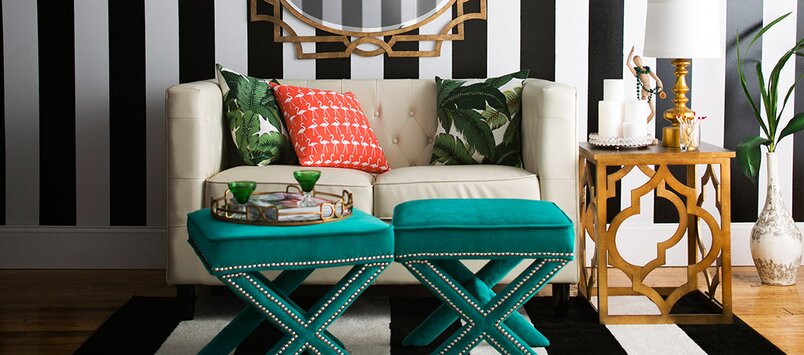
  1. Pile it on: When it comes to decorating a glamorous space, more is more. Build your room around embellished furniture, shimmering accents, and bold color combinations.
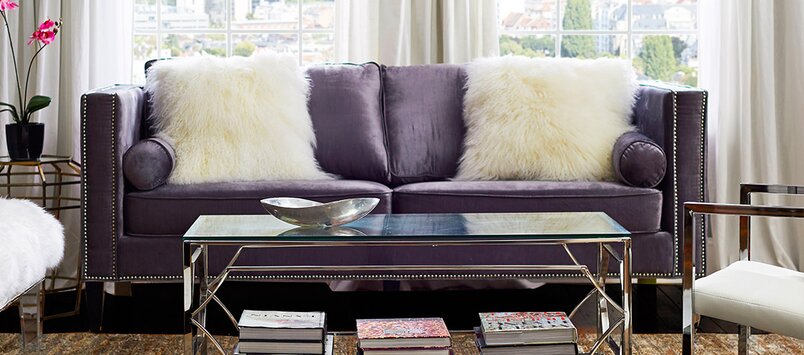
  2. Go Lush and Plush: Furniture and textiles with luxurious texture—like plush velvet sofas, satin sheets, cashmere throw blankets, and flokati rugs—are a staple of the style.
  3. Bring on the Bling: Take inspiration for a lavish look straight from your jewelry box: choose sparkling gem tones, pearlescent finishes, and crystal accents. And don't forget metallics: Incorporate silver and gold tones with chrome light fixtures, brass nailheads, or mirrored furniture.
  4. Add Drama: Each room should have at least one statement-making, show stopping piece. Seek out crystal-laden chandeliers, furniture with exaggerated silhouettes, or an oversized, Art Deco-inspired sunburst mirror.
Elements of Glam Style: All of the tips you need to bring glamour to your home.
The Palette: From neutral to saturated, there's a posh palette for every color preference. Here are a few of our favorite pairings for a luxe space.
Bold and Bejeweled
For a regal look, base your color scheme around jewel tones. Mix shades of sapphire and turquoise, or pair rich ruby with glimmering gold for a gem of a palette.
Black, White, and Glamorous
It doesn't get more dramatic than a room based around classic black and white. Accent this high-contrast pairing with mirrored furniture or metallic silver accents.
Classically Chic
Like a perfectly tailored trench coat or little black dress, decor picks in black and camel exude upscale sophistication. To ensure the result is chic, not severe, mix in softer shades of cream and beige, too.
Glam Furniture
Incorporating furniture with upscale details and fancy finishes doesn't mean your home can't be comfortable and inviting, too. When decorating a glam room, remember the following to ensure a well-balanced space.
  1. Mix in Mirrored Pieces Create an elevated, but approachable mix by juxtaposing painted pieces or furniture in more traditional wood tones with a mirrored chest, desk, or accent table.
  2. Look for Dressy Details Like jewelry and accessories, tufting, nailheads, and piping are little details with big impact. The more embellishments your furniture has, the more formal the look.
  3. Add in Dramatic Silhouettes Set a chic scene with furniture that features exaggerated proportions or elaborate forms, like arched headboards, high-backed dining chairs, tuxedo sofas, or demilune chests.
Glam Accents & Decor

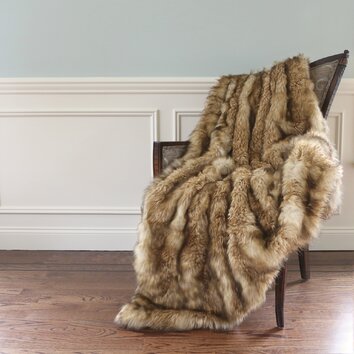
Faux fur throws are a great way to show off your glam decor sytle.
A show-stopping space spares no detail. Finish off your design with fanciful flourishes—like faux-fur throws, fashion-forward wall art, and eye-catching lighting — to ensure an elevated room. Opt for a flashy glam wall sconce in gold, black or white to help light up your living room. Read our tips below on how to get the glam out of your home accents and decor:
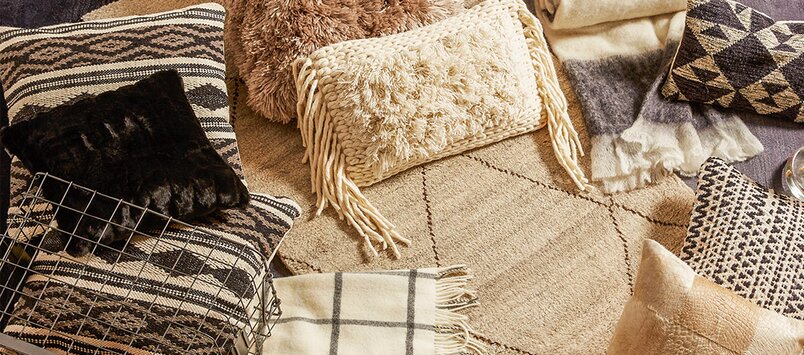
  1. Go High-Pile: Fur immediately evokes a sense of luxury. Incorporate it at home with a faux sheepskin throw blanket, a Mongolian fur ottoman, or a flokati rug.
  2. Light up the Room: Glam Lighting should be both decorative and functional. Try incorporating a candelabra chandelier, a beaded flush mount, or a pair of sconces with crystal drop shades into your space.
  3. Take Cues from Your Closet: Dress your walls with fashion-inspired prints featuring iconic design houses, or maps of stylish cities like Paris, London, or New York to add panache.
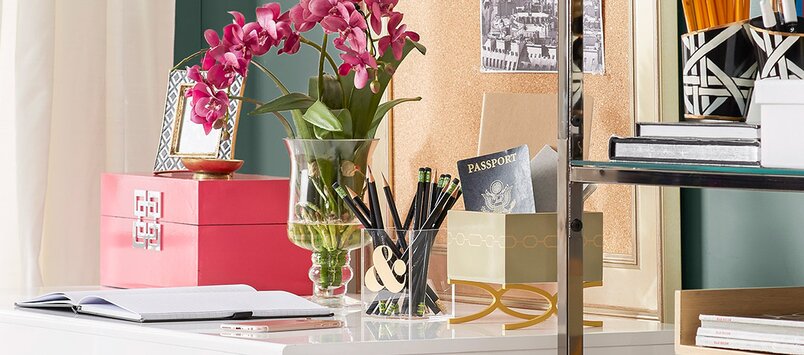
  4. Make the Room Bloom: Whether you choose real blossoms or faux bouquets, flowers are an essential part of glamorous decor. Opt for lush varieties like garden roses, peonies, and hydrangeas.

https://www.jossandmain.com/Glam-C1860542.html

The Sleek Studio Modern Style Guide


If the idea of a crisp, clean, clutter-free space appeals to you, a modern look might be just the right fit for your home. Follow these tips below and discover how minimalist furniture, high-polish accents, and a bold but well-edited color palette can give your home a fresh new look.
Contemporary Style 101: All of the essential moves for a modern home.
Simplify and Minimize:
Sleek, pared-down shapes are essential to modern design. Choose furniture and decor that are fairly compact and low-profile, such as sofas that sit closer to the floor, lamps with thin, slight bases, and accent tables with minimal hardware. Not only does this create a streamlined, airy look, it makes living in smaller spaces easier and more comfortable.
Find the Right Angle:
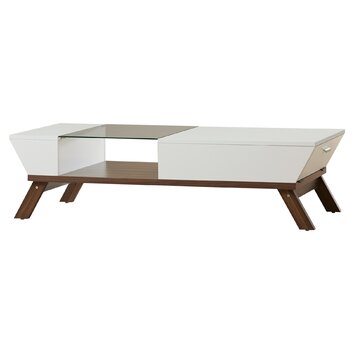
One of the most important characteristics of modern decor is clean lines and an emphasis on overall form rather than intricate detail. When choosing furnishings, select pieces that feature crisp angles and clean surfaces. Coffee tables, mirrors, and rugs for the modern home are often inspired by geometric forms—squares, rectangles, and triangles.
Add Curve Appeal:
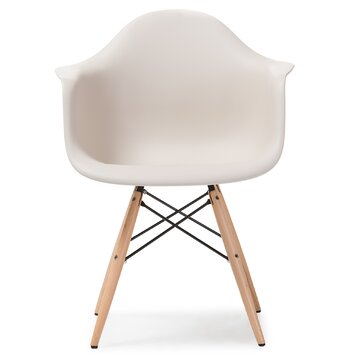
While straight lines are important, a bit of curvature balances the look. Think bentwood chairs, tulip-style tables, and sculptural oval lamps.
Turn Up the Heat:
Modern design has an undeserved reputation for being stark and cold, but the right mix of pieces can create a truly inviting space. To keep more contemporary silhouettes from feeling sterile, choose accents in bold shades like red and orange, add a faux sheepskin area rug, or incorporate warm woods like polished teak, walnut, or maple.
Elements of Modern Style: The fundamental components of contemporary style.
The Palette:  Your home doesn’t have to be a vision in white to be modern—there are endless possibilities when it comes to your color palette. Any color scheme can work as long as it’s pared down enough. Stick with two or three colors for your anchor pieces, and play with accent colors to your heart’s content.
The Classic:
Juxtapose sophisticated neutrals like camel, navy, and black with shiny metallic finishes like brass, copper, polished nickel, and chrome.
Electric Style:
Choose a neutral like light grey or ivory and use different shades of it throughout your space. Then, throw in a pop of color using throw pillows, decorative bowls and vases, and artwork in neon hues.
Into the Dark:
Go deep by using mostly black and charcoal to decorate. Keep it from feeling closed off by incorporating lighter elements sporadically—for example, break up a sea of dark cabinetry with an ivory countertop. If you’re going with a black sofa, offset it with a white accent chair.
Modern Furniture
In our book, furniture needs to be both hardworking and beautiful. Create a home that’s modern and functional with these decorating ideas.
Add Elements of Surprise:
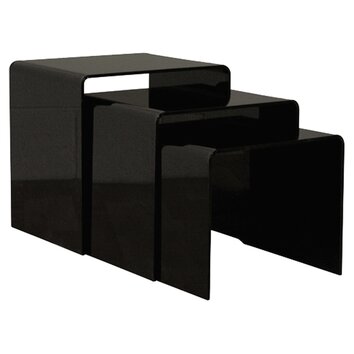
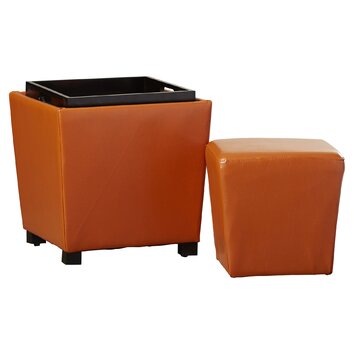
In a smaller space, increase functionality by trying a sleek settee in place of a traditional sofa, a set of lucite nesting tables instead of a standard coffee table, or a storage ottoman instead of an extra arm chair.
Leave it to the Legs:
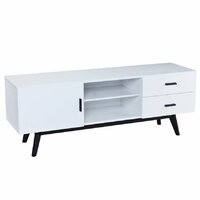
When choosing your furniture, don’t overlook the legs. Tapered legs, hairpin legs, and legs in a dark wood or even a chrome finish are all safe bets for modern spaces.
Emphasize Wood Tones:
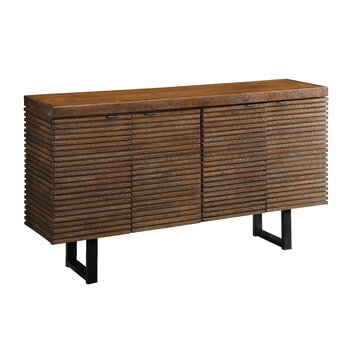
Choose coffee tables, sideboards, or bookshelves in polished walnut or burled wood to create a warm environment that still feels modern.
Modern Accents & Decor
Once you’ve taken care of the color palette and the larger items, you’re free to play with smaller accent pieces. Find the perfect modern details for every room of your home by following these tips.
Go Chrome:
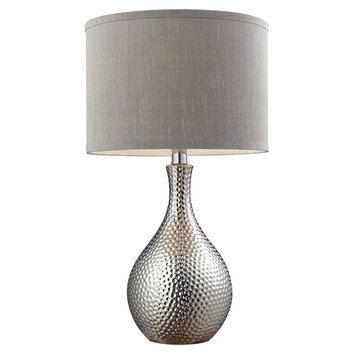
Quintessential to the modern aesthetic is shiny chrome. A table lamp with a chrome base, a bookshelf with chrome shelves, or a gleaming light fixture is a sure way to command attention.
In the Abstract:
Since many modern furniture pieces are artful and sculptural in their own right, they pair well with quirky wall art and sculptures. Try a colorful abstract print on its own or in a gallery wall, or place a shapely statement object on your coffee table or mantel.
Float On:
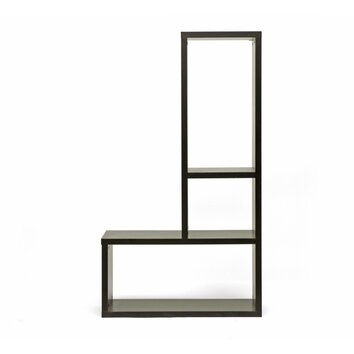
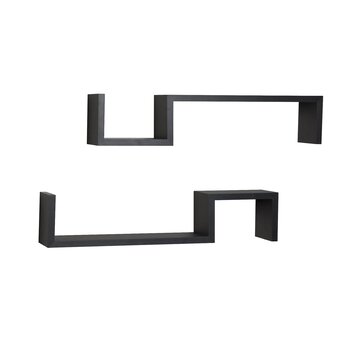
Instead of a standard bookcase, consider using a series of floating shelves to display your collections. You can also lean framed pieces against the wall this way. Floating shelves are an easy way to change up your décor, and because they’re suspended off the ground, they can help create the illusion of more space.

https://www.jossandmain.com/Modern-C1860540.html

Cottage Furniture Style Guide


Love the idea of living in an inviting cottage full of flea-market treasures? Any space can be transformed into a shabby-meets-sophisticated space with a few thoughtful touches. Create your own inviting, timeworn look at home with these cottage furniture ideas and decorating tips.
Cottage Style 101: How to create a charming, welcoming look in any home.

Embrace Distress:
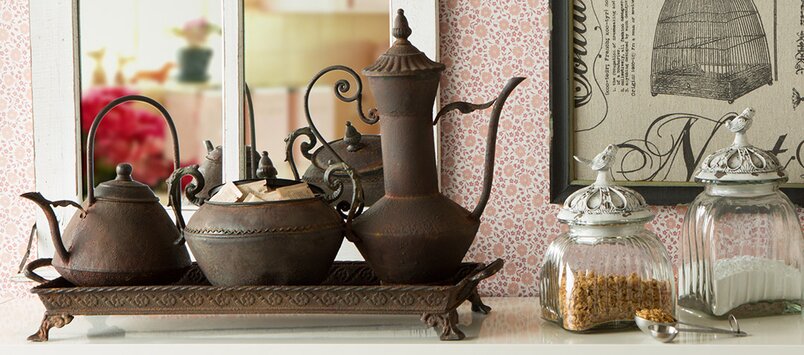
What sets a cottage-inspired space apart is its sense of easy hospitality. Weathered, distressed pieces set a relaxed tone and lend your furnishings a sentimental air. Common finishes for country -cottage furniture, décor, and accents include whitewash or gesso, galvanized metal, and vintage glass.

Think Heirloom, not Antique:
A hallmark of shabby-yet-sophisticated style is items that nod to the past. But that doesn’t mean you have to source museum-quality antiques. Family heirlooms, yard-sale finds, and items that appear “found” or passed down add as much, if not more, cottage charm to a room.

Bring In a Bit of Whimsy:
Whether it’s a ceramic rooster perched on a kitchen shelf, a candleholder fashioned from mason jars, or burlap table runner, items with an unexpected story keep a home’s mood light.

Mix the upscale with the utilitarian:
A vintage-style chandelier offers a delightful contrast to a barnwood headboard, while delicate china displayed against humble beadboard assumes a quiet grace. Mix and match to create the perfect balance of elegant and rustic.

https://www.jossandmain.com/Cottage-C1860535.html

The Rustic Furniture Style Guide


If a warm, cozy space filled with vintage-inspired finds and tidbits of history appeals to you, then rustic decor may be the perfect fit for your home. Follow these design tips and use rich leather, distressed woods, and hints of metal to give any room a well-worn, laid-back feel.
Rustic Style 101: All of the essentials for a rustic home.
  1. Distressed is Best: Furniture and accents that appear timeworn will give your space a homey, lived-in look. Intersperse newer-looking pieces, like plush throw pillows and polished wall sconces, to keep it from feeling too shabby.
  2. Work with Wood: Shelving, consoles, and coffee tables in rough-hewn wood are hard-working but feel cozy. Pieces made from reclaimed wood bring an element of antiquity to your home.
  3. Mix and Match Metals: Copper, steel, and iron work well together in a rustic setting. Iron wire baskets, copper pitchers, and steel barstools are all useful ways to incorporate metals in your space.
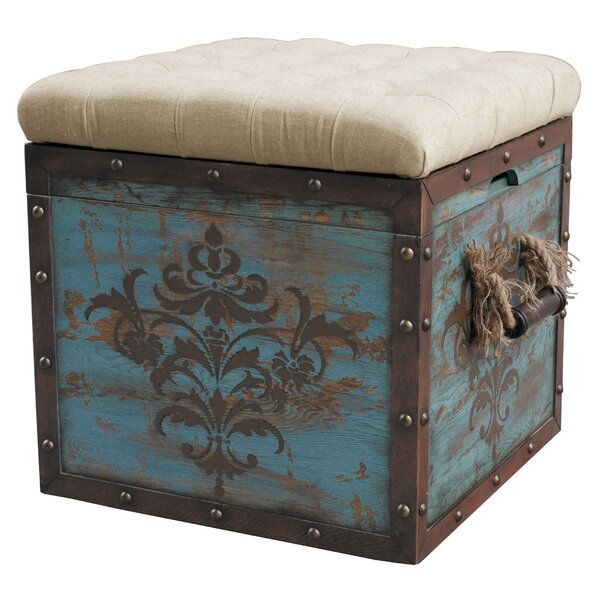
  4. Love Leather: Sofas, arm chairs, and benches upholstered in buttery leather are both practical and comfortable, while storage bins and large trunks with leather details exude rustic appeal.
Elements of Rustic Style: All of the necessary components to achieve a rustic look.
The Palette: It's hard to go wrong with a rustic color palette. Choose a neutral color scheme and mix in hints of warm and cool colors for a welcoming, relaxed space that still has an indisputable energy about it.
A Traditional Approach
A classic rustic color palette is forged in deep browns, grays, black, and dashes of navy blue and sage green. Warm auburn and hints of paprika tie it all together to create a cozy, inviting home.
Rustic, Redefined
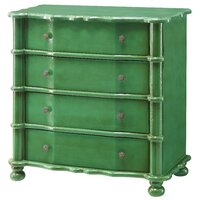
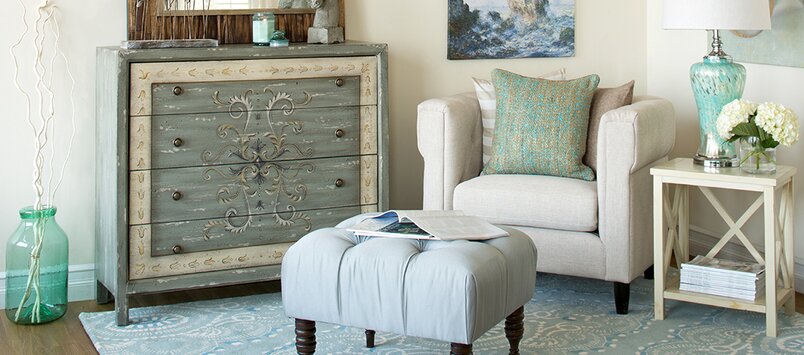
Add pops of brighter hues throughout your space-a chest in a weathered robin's egg blue, an accent stool in a rusty red, and an iron bench in a bright kelly green all achieve this.
Light and Bright
Reflect more light and give your home an airy feel with a lighter color scheme. Combine white, ivory, and lighter gray with small accents in a color like pale green or burnt orange for a fresh take on rustic style.
Rustic Furniture
Rustic decor has a warm, inviting feel. Make sure you channel that in your furniture by choosing pieces that incorporate soft leather, casual fabric, sturdy wood, and hints of metal.
  1. Go For an Industrial Edge: Classic silhouettes with factory-inspired detailing tie in well with a rustic design scheme. Find this look in cabinets with wire-fronted drawers, bookshelves made from metal rather than wood, and consoles on large casters.
  2. Keep it Cozy: Soft leather sofas, wicker arm chairs, and footstools upholstered in casual linen all help a space to feel laid-back and comfortable.
  3. Choose Wooden Furniture: Rough-hewn wood is a must-have in any rustic home, so choose a media cabinet, dining table, or nightstand in a beautiful, long-lasting wood to achieve this classic look.
Rustic Accents & Decor
Add a personal touch to your space with vintage-inspired finds and accents that tie the rustic look together.
  1. Light it Up: Simple iron chandeliers, pendants, and table lamps are all hallmarks of the rustic design scheme. Add in a light fixture or two with metal or wire cage shades to bring in a subtle industrial twist.
  2. Climb Up the Walls: Don't forget to utilize all of your wall space-hang distressed, understated wall clocks, large vintage prints, and unique shelving units to fill it out.
  3. Bring the Outdoors In: Display seasonal wreaths, faux taxidermy, and chandeliers made from faux antlers to create a lodge-like space.

https://www.jossandmain.com/Rustic-C1860529.html

Coastal Furniture & Decor Style Guide


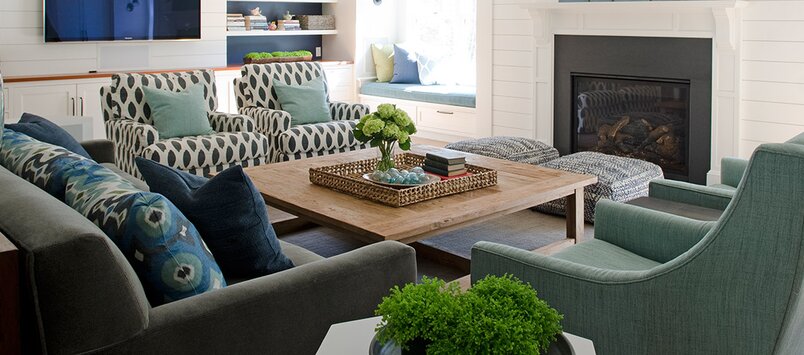
Whether your home has an ocean view or you simply crave a casual, coastal chic feel, there are just a few steps between you and a beach beautiful space. Consider these coastal style furniture ideas and nautical decorating tips.
Seaside Style 101: The basics of ocean-inspired home design.
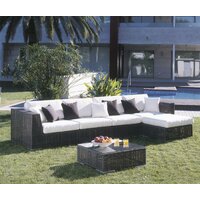
  1. Keep it Casual: Since coastal cottages are all about unwinding, furniture and finishes should be relaxed and unfussy. (can we get a quick example that names some furniture types?) e.g. Stay away from wrought iron and go for some weathered wicker patio furniture.
  2. Bring the Outdoors In: The look is inspired by coastal settings, so turn to natural wood tones, natural fibers that evoke beach grass, and colors reminiscent of the sand, sea, and sky. Same as above, e.g. Teak or white dining furniture are favorites for this look.
  3. Let in the Light: As beach house spaces are bright and breezy, plenty of light is a must. To let in lots of natural light, opt for diffusing shades or sheers over windows. Layering light fixtures (like mixing pendants with sconces and table lamps) adds to the airiness.
  4. Think Outside the Shell: A literal approach to coastal style—one that incorporates marine wall decor like anchors, shells, and boats—is more appropriate for harborside homes than inland ones. But even if your home has a water view, limiting yourself to one or two beach-themed patterns keeps the look from crossing into “kitsch”. Beyond those details, focus on using materials and textures that communicate “beach” in a subtle, sophisticated way.
Elements of Coastal Style: Colors and materials with beach-house charm.
The Palette: For ocean-inspired homes and beach houses, there’s no combination more classic blue and white. But by varying shades, saturation, and accent colors, you can personalize the palette for your space and style. Whether you prefer nautical and preppy or natural and serene, consider these tips.
For a New England-nautical vibe
Accent a navy and white palette with bold pops of red and yellow. For furniture, choose darker, polished wood tones like a walnut coffee table or cherry accent chairs, plus painted pieces in primary shades.
For a Carolina-coastal approach
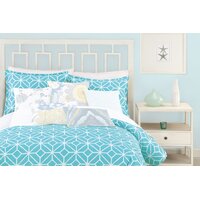
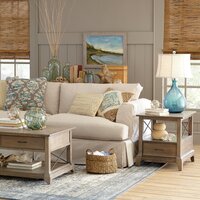
Pair misty blues and pale shades of aqua with softer shades of white like cream and eggshell. With wood, opt for bleached or white-washed finishes.
For a neutral take
If you prefer to decorate without much color, evoke a beach house feel by pairing shades of white, gray, and sand with furniture in weathered or reclaimed wood.
For a tropical twist
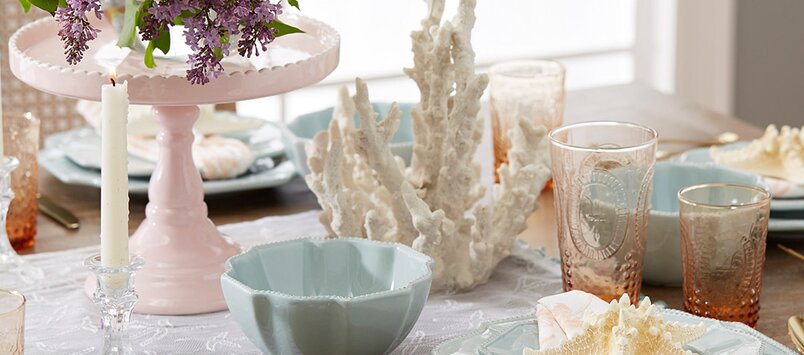
Deep aquamarine shades accented by touches of pink recalls waves, conch, and coral. Painted or natural, pieces like rattan decorative boxes and bamboo framed mirrors augment the island vibe.
The Furniture
  1. Say yes to slipcovers. Casually chic and easy to clean, slipcovered seating in a pale neutrals evokes the sails of a boat.
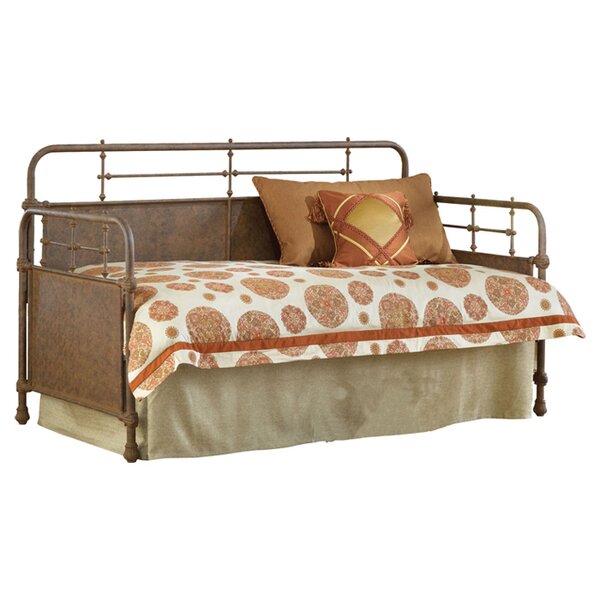
  2. Choose furniture with function. Bunk beds, daybeds with trundles, pullout sofas, and extra seating make it easy to accommodate house guests.
  3. Follow tradition.Coastal style has traditional roots, so look for timeless shapes or antique pieces. If you want a more updated look, paint classic furniture white or a vibrant shade of red or blue.
The Accents & Decor
  1. Include elements of the coastal life. Stripes, rope accents, porthole mirrors, and buoys add classic regatta-inspired charm. Sea glass, sun-bleached shells, and collections of glass bottles in various shades of blue and green are reminders of the ocean landscape.
  2. Bring in blooms. Bouquets of real or faux hydrangeas, pale roses, and tulips keep the look light. Choose casual arrangements, and stick to a mellow pastel palette.
  3. Incorporate details found in classic coastal homes. Beadboard, shiplap, and wainscoting add interest to walls. Lantern-style pendants illuminate interiors and outdoor spaces alike.

https://www.jossandmain.com/Coastal-C1860520.html