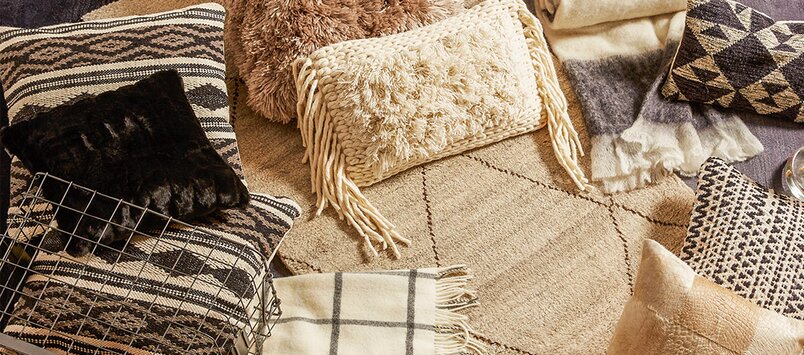
Tuesday, August 30, 2016

Style a Master Bedroom as a Sleep Retreat

Style a Master Bedroom as a Sleep Retreat

There’s big buzz these days about the importance of getting enough Z’s for health, happiness, and productivity. Help clients analyze if a master bedroom can incorporate all the essentials to promote a good night’s sleep.

Adults spend more time in their bedroom than in any other room in their house. But you wouldn’t know it from the home sales process. Buyers and sellers alike often pay more attention to kitchens, master bathrooms, closets, and yards than they do to this vital space where they will usually spend more than a third of their 24 hours each day.
“Who spends that kind of time in the kitchen?” asks sleep expert Nancy H. Rothstein, founder of The Sleep Ambassador in Chicago, a source for education, consulting services, and resources that optimize healthy sleep.
Yet more attention is being paid to the importance of getting adequate sleep, from high-profile advocates like Arianna Huffington, who recently published her book, The Sleep Revolution: Transforming Your Life, One Night at a Time (Harmony, 2016), to medical professionals. “Fewer than six hours [a night] can lead to diseases — a higher rate of diabetes, obesity, cardiovascular problems, and even shorter life spans,” says Dr. Susheel Patil, clinical director of Johns Hopkins Sleep Medicine in Baltimore.
While there’s no magic figure for the amount of sleep one should get, Patil suggests adults try for seven to eight hours on average. Dr. Michael Breus, a board-certified sleep specialist in Los Angeles known as The Sleep Doctor, uses his household as an example of the variation. “I need between 6 1/2 and 7 hours while my wife needs between 8 and 8 1/2,” he says.
Buyers and sellers alike should strive to furnish a master bedroom that contributes to high-quality sleep. Updating or remodeling the room offers another benefit, says certified color consultant Michelle Mohlere, a salesperson with Gibson International in Los Angeles. A nicely designed bedroom is likely to bring in more money at resale than one without these touches, she says.
Sellers looking to better stage this room will also gain from the following six steps:
1. Stage the bed in a choice spot. Connecticut architect and author Duo Dickinson prefers the bed be set away from the room’s entrance to keep it out of the main circulation path. Kathryn Baker, vice president of design services with Polaris Pacific, a real estate sales and marketing firm in San Francisco, likes to place a bed in a spot so occupants can enjoy the best view — whether that’s inside (maybe toward a fireplace or favorite piece of art) or outdoor (with views of trees or water where possible). Chicago designer Michael Del Piero suggests pairing a bed with an upholstered headboard for those who like to sit up in bed and read; she dresses up the bed with decorative pillows, a duvet, and a throw to personalize it and make it more welcoming to tuck in for sleep.
Encourage Buyers to Find Their Right Mattress
Dr. Michael Breus says sleep should be considered a performance activity like running, and, as in any activity, the equipment matters. “I can do a race wearing flip-flops, but my time won’t be as good,” he says. “It’s the same thing with sleep. If I have the right mattress and room setting, I’ll sleep much better.” In his bookThe Sleep Doctor’s Diet Plan: Lose Weight Through Better Sleep (Rodale2011), he notes that the right kind of support varies by sleep position, challenges like snoring or back pain, and temporary conditions such as pregnancy.
Today, there’s a dizzying array of mattress options. Some retailers continue to compete with traditional brick-and-mortar stores under the assumption that customers still want to test-drive choices. But new companies such as Tuft & NeedleCasper, andBrentwood Home sell online — often employing lower prices and flexible return programs.
Home owners may be happy to learn they don’t have to spend thousands of dollars for bells and whistles, bespoke construction, and high-end materials such as cashmere; there’s no scientific proof that greater expense yields better sleep. Instead, Breus suggests reading about different mattress options, narrowing selections to a few, and heading to a store with your own pillow to test each, duplicating your favorite sleep positions. In the end, the process may be more akin to buying a house than you’d think; the right mattress should work for each person and their budget.
2. Install the right window treatments. Minimal is the design mantra when it comes to much of the standard room décor today. But while no coverings in some rooms, such as kitchens and living rooms, allows in more light and views, some amount of treatment in a bedroom is needed to block outside light and provide privacy. Del Piero likes to use a blackout shade behind a transparent shade or drapes or a woven wood shade with blackout drapes. Baker favors motorized shades to make opening and closing a task that can be performed from the bed or set by a timer.
3. Use the right lighting. Dickinson discourages installing recessed cans since they chop up a ceiling and aren’t attractive to look at while in bed. He prefers task lighting from lamps on night tables or wall-mounted sconces. Michigan designer Francesca Owings likes hanging one decorative fixture in a ceiling’s center for an aesthetic punch. Sensitive sleepers might appreciate the new Good Night Biological LED bulbs that claim to help regulate a body’s natural circadian rhythm through the production of the hormone melatonin, which helps control sleep and wake patterns, says Breus.
4. Conceal or banish electronics. For years, scientists and health professionals have known about the danger of the blue light that comes from certain electronics equipment and adversely affects melatonin production, says Patil. But only recently have they suggested that you can enhance unwinding and falling asleep by turning off TVs, smartphones, and iPads at least an hour before bedtime. Shutting them off also helps train the brain that the bedroom is primarily a place to sleep rather than stay awake, Patil says. If the temptation is too great, home owners might consider making the master bedroom a no-electronics zone. Baker’s company furnishes model bedrooms in its residential projects without TVs and other electronics technology to demonstrate this idea. “People have responded favorably, and some put TVs in a second bedroom or home office” instead, she says.
5. Pick a soothing palette. Of course, color is a personal preference, but color experts can offer guidelines. “You can’t say one is soothing for all and will make a person feel calm,” says Jessica Boyer, a Chicago designer with Susan Fredman Design Group. Sue Wadden, director of color marketing for paint manufacturer Sherwin-Williams, says colors that aren’t extreme are more restful. “They’re neither too bold, dark, bright, or intense. Rather, soft and calming,” she says. Designer Kimba Hills of Rumba Style in Los Angeles prefers a palette of pale blues, greens, beiges, grays, and whites for the bedroom. Boyer also likes to bring in bedding in white and light creams because she finds they’re calming. “It’s the equivalent of sleeping in a cloud with nothing to distract me. What’s important isn’t what’s trendy but nurturing,” she says.
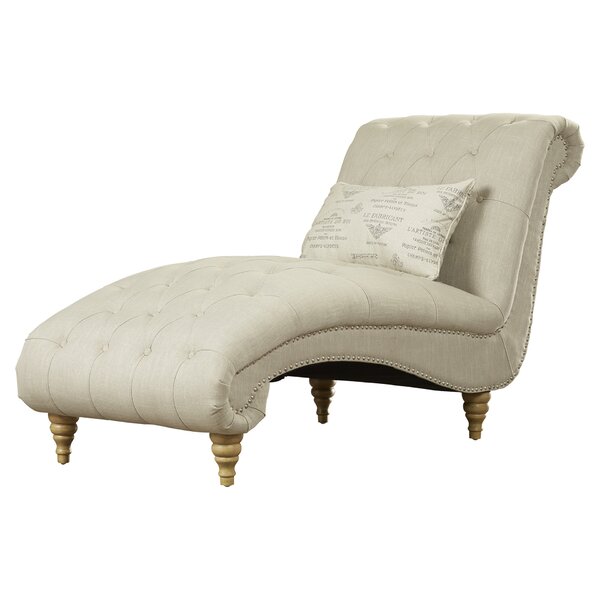
6. Add creature comforts. If the room’s size allows, consider adding a chaise, chair and ottoman, and night tables. Also, a large area rug or wall-to-wall carpeting can help deaden noise and provide warmth underfoot, says Owings. If the room is located so it opens directly to the outdoors, play this up. Mohlere says real access to bucolic scenery can contribute to a sense of tranquility even more than just viewing the outdoors can. If outdoor access isn’t possible, check to see that windows are operable for fresh air. Other amenities worth considering: a gas- or log-burning fireplace for coziness, artwork for eye candy, and good storage for tidiness. “Too much clutter is distracting,” Rothstein says.
At the end of the day — or the beginning of a new one — real estate pros can emphasize the master bedroom as one more “fabulous room where you spend time in your new home,” Rothstein says.

5 Things Renters Should Know

5 Things Renters Should Know About Owning

For renters who aspire to be home owners, transitioning from an apartment to a house requires a shift in their thinking that they may not be prepared to make. The financial changes that come with owning, the need to consider planting longer-term roots in a neighborhood, and new neighborhood rules are things renters may not be thinking about enough.
As their real estate agent, it’s important for you to be there for your clients when they’re embarking on a life-changing event such as buying a home.
Moving can already be one of the most stressful times in a person’s life, but it may be doubly so for a new home owner. In order to be their most reliable resource, using your knowledge and experience to provide them with guidance, share these helpful nuggets of information with your clients so their transition from renter to owner can be as smooth as possible.
They need to understand how their financial investment is changing. Renters may see an increase in their monthly rent every lease term, but they don’t see exactly where it goes — toward property taxes and insurance, even “luxuries” such as trash pickup. As home owners, they don’t have a landlord who handles all those details, so they need to be ready to juggle the financial responsibilities of home ownership. Have an open conversation with your clients about these changes and the importance of budgeting to make sure they make smart financial decisions during this process.
They need to be happy with their location for the long-term. As a renter, you can bounce around from home to home every year if you want. But when you own a home, you have to stay put — unless you plan on renting it out, which most home owners don’t. Impress upon your client that location is going to play a much more significant role in their future, so they should think about evaluating school districts, access to amenities, and commute time now as they search for their next home.
They may need to abide by new rules. Renters don’t think about possible homeowner association rules they may be governed by, such as trash pickup rules or any curfews or rules pertaining to animals. Make sure to get all the information on neighborhood rules and associations to help your client understand what their new obligations will be.
They’ll need to get into the mindset of an owner. Life as your client knows it is about to change. Once your client purchases a new home, they will no longer have a landlord to tend to their many needs, including lawn care and plumbing. The best way you can help them as their real estate agent is to provide them with contact information for local industry experts. They will eventually need certified specialists ranging from HVAC companies to carpenters to electricians. Let them know they don’t have to do everything themselves.
They should know their neighbors can affect their value. Renters don’t care who their neighbors are as long as they’re quiet (enough). But your client is now going to want to know whether their new neighbors are renters or home owners. This knowledge can help your clients gauge current and future home value in the neighborhood. If the neighborhood consists mostly of rental properties, it is likely a home owner will lose money on their house in the future. Renters do not always feel responsible for maintaining their properties the way home owners do. Property value comes down to curb appeal. Less-appealing neighborhoods often have more-appealing prices, which is not always good for buyers and home owners.
Source: Rob Rimeris is owner of EverSafe Moving Co. in Philadelphia. EverSafe is a five-star, full-service company that offers affordable moving and storage services

Thursday, July 21, 2016

Location Location Location

Location? What Location?July 2016
Location? What Location? Which Location?!

It’s almost a joke these days, but one solidly mired in truth: the real estate mantra of location, location, location. It is of course the one thing about your new home that you can’t renovate or upgrade; that’s why considering exactly where you are buying is so crucial to your entire homeshopping experience.

So when you’re thinking about location, does it mean more than which city or town you want to live in? Of course it does. Here are four factors to consider when shopping for your new home, all related to location, location, location!
  1. Urban? Suburban? Rural? You can live in Chicago, or Tucson, or Sacramento without being downtown. Whether you want to be right in the city, on the outskirts, or more of a commuter makes a big difference in home prices and sizes, and in the time it will take you to get around.
  2. Narrowing it down. Once you know whether you’re a city kid or a country kid, you’ll need to drill down another layer and figure out what you want in the area directly surrounding your home. Do you want to be close to the freeway? Is it important to be able to walk to a coffeeshop, or to have a local farmers market, or ride your bike to the grocery store? Making a list of the features characterizing the neighborhood you dream of living in will help you find that neighborhood, so you can become part of it.
  3. Look up the future. By this, we mean check into plans for infrastructure updates, commercial zoning, and other planned developments in the area. Building on empty lots is good; having a freeway come through your backyard is not so good.
  4. The worst house on the best block. This is also an old saying that’s still totally true. If you can buy the worst house on the best block, it’s far better than buying the best house on the worst block. You can work toward getting your home in line with your neighbors’; there’s no guarantee your neighbors will try to catch up with you.
  5. Whether you’re looking to settle down to stay for years to come or you’re considering your new home’s resale potential, you’ll always need to put consideration of location at the top of your list of features you’re considering when shopping for your new home.

    If you’d like to discuss your homebuying options further, get started on a preapproval, or get a recommendation for a knowledgeable and respected agent in our area, it takes just a phone call or email and I can offer you my services. I look forward to working with you.
    Scott Melaragno
    Mortgage Loan Originator
    Home Point Financial
    8351 North High Street
    Suite 101
    Columbus, OH 43235
    Office:614-721-8604
    Fax:614-448-4571
    NMLS:83286
    Contact Me
    My Website
     
    This Newsletter is for informational purposes only. The information contained herein may not be applicable to every situation or jurisdiction, and we urge you to consult your professional advisor prior to acting on information contained herein. The content, accuracy and opinions expressed herein are not verified or endorsed by the sponsor hereof.

    Friday, July 8, 2016

    Remodeling Upgrades, ROI for 2016

    Top 11 Home Remodeling Upgrades, Costs & ROI for 2016 - DIY Options Explained - RemodelingImage.com - Remodeling Image: Ideas, Tips, and Practical Advice

    Thursday, June 30, 2016

    Top 20 Markets for June

    Here They Are: The Top 20 Markets for June

    DAILY REAL ESTATE NEWS | THURSDAY, JUNE 23, 2016

    The overall residential housing market is heating up this summer, but a markets in a few cities across the country are in a league of their own, notes Jonathan Smoke, realtor.com®’s chief economist.

    Read moreExisting-Home Sales at Highest Pace in 9 Years


    Realtor.com®’s research team identified the hottest markets by factoring in which ones had the most views per listing on its website and saw the quickest inventory movement. In these markets, homes are selling 20 to 38 days faster than the rest of the U.S.

    Once again, California dominates this month’s list, but eight other states are also represented (Texas, Colorado, Indiana, Ohio, Michigan, Washington, Massachusetts, and New Hampshire). Seasonality is a big factor in this month’s rankings, Smoke notes.

    “This is a peak time for people to be buying vacation homes in Michigan, because the weather is perfect,” Smoke says. “California markets tend to be fairly consistent—we don’t see huge changes.”

    Source: “America’s 20 Hottest Real Estate Markets for June 2016,” realtor.com® (June 23, 2016)

    Existing-Home Sales at Highest Pace in 9 Years

    Existing-Home Sales at Highest Pace in 9 Years

    DAILY REAL ESTATE NEWS | WEDNESDAY, JUNE 22, 2016

    All major U.S. regions except the Midwest saw an uptick in existing-home sales last month, the National Association of REALTORS® reported Wednesday. As tight inventories continue to plague many markets, the median sales price for all housing types climbed to an all-time high of $239,700 in May — up 4.7 percent from a year earlier — as buyer demand outweighs housing supply.

    Total existing-home sales, which are completed transactions for single-family homes, townhomes, condos, and co-ops, increased 1.8 percent month-over-month to a seasonally adjusted annual rate of 5.53 million in May. Sales are now up 4.5 percent from a year ago and are at the highest annual pace since February 2007. This is the third consecutive month for gains in existing-home sales.

    "This spring's sustained period of ultra-low mortgage rates has certainly been a worthy incentive to buy a home, but the primary driver in the increase in sales is more home owners realizing the equity they've accumulated in recent years and finally deciding to trade up or downsize," says Lawrence Yun, NAR's chief economist. "With first-time buyers still struggling to enter the market, repeat buyers using the proceeds from the sale of their previous home as their down payment are making up the bulk of home purchases right now."

    Yun says sales likely will maintain their current pace throughout the summer, assuming there are no further decreases in job growth that could prompt a pause among repeat buyers.

    Here’s a closer look at how existing-home sales performed in May, according to NAR's latest housing report:

    Home prices: The median existing-home price for all housing types was $239,700 in May, up 4.7 percent from a year ago. That also surpasses the previous peak in median sales prices of $236,300, set last June. Days on the market: Properties spent less time on the market in May, selling, on average, after 32 days. That's below the average time on market a year ago (40 days) and the shortest time since NAR began tracking such data in May 2011. Forty-nine percent of homes sold in May were on the market for less than a month, also the highest percentage since May 2011. Short sales were on the market the longest, at a median of 103 days in May, while foreclosures sold in 51 days. Non-distressed homes took 30 days.Housing inventories: Total housing inventory at the end of May increased 1.4 percent month-over-month to 2.15 million existing homes for sale. That is 5.7 percent lower than a year ago. At the current sales pace, unsold inventory represents a 4.7-month supply.

    "Existing inventory remains subdued throughout much of the country and continues to lag even last year's deficient amount," says Yun. "While new-home construction has thankfully crept higher so far this year, there's still a glaring need for even more, to help alleviate the supply pressures that are severely limiting choices and pushing prices out of reach for plenty of prospective first-time buyers."

    All-cash sales: Buyers paying in cash accounted for 22 percent of all transactions in May, down from 24 percent a year ago. Individual investors account for the biggest bulk of all-cash sales. Investors purchased 13 percent of homes in May, down from 14 percent a year ago.Distressed sales: Foreclosures and short sales dropped to 6 percent of all sales last month, down from 10 percent a year ago. Foreclosures comprised 5 percent of sales in May while short sales represented 1 percent of sales. On average, foreclosures sold for a discount of 12 percent below market value while short sales were discounted 11 percent.

    Regional Snapshot

    Here’s how existing-home sales fared across the country in May:

    Northeast: existing-home sales rose 4.1 percent to an annual rate of 770,000, and are now 11.6 percent above a year ago. Median price: $268,600, which is 0.1 percent below May 2015.Midwest: existing-home sales fell 6.5 percent to an annual rate of 1.3 million in May but are still 3.2 percent higher than a year ago. Median price: $190,000, up 4.8 percent from a year ago.South: existing-home sales rose 4.6 percent to an annual rate of 2.28 million in May and are now 6.5 percent above a year ago. Median price: $211,500, up 5.9 percent from a year ago.West: existing-home sales climbed 5.4 percent to an annual rate of 1.18 million in May but are still 1.7 percent lower than a year ago. Median price: $346,900, which is 7.7 percent above a year ago.

    Source: National Association of REALTORS®

    Wednesday, June 22, 2016

    The Classic Style Guide

    If historic detail and classic grandeur define your tastes, a traditional look could be your home’s perfect fit. Whether you’re outfitting a townhouse in the city, decorating a stately Colonial or Tudor, or simply looking to add a sense of elegance to an updated apartment, traditional furniture and decor bring warmth and polish to any home. Follow these tips for pulling together a timeless look.
    Classic Style 101: The components of traditionally elegant decor
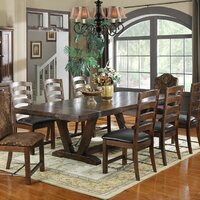
    1. Timeless Details:  For a look that will never go out of style, incorporate Oriental rugs, furniture with classic elements like turned legs and carving, and antiques-inspired accents like ceramic lamps and gilded mirrors.
    2. Grand Proportions:  Complement a larger room’s proportions with oversized pieces that command attention: a dining table fit to entertain a crowd, a four-poster or sleigh bed, or a generously sized Chesterfield sofa.
    3. A Sense of History:  Incorporate antiques as well as traditional silhouettes such as Louis-style dining chairs, secretary desks, wingback chairs, and trestle tables. To freshen the aesthetic, look for classic shapes in updated materials such as neutral linen or jewel-toned velvet.
    4. Timeless Materials:  When choosing traditional furniture, lighting, and accents, you can’t go wrong with proven, durable materials such as linen, polished wood, brass, leather, and marble. Incorporate shine with crystal chandeliers, silver and gold accents, and lacquered furniture.

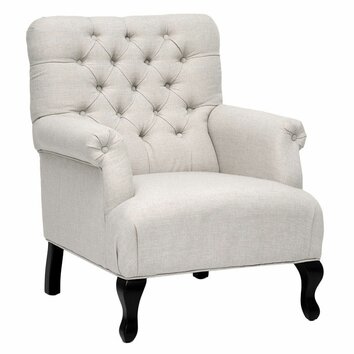
    Tufted armchairs are a good choice for the traditional style room.

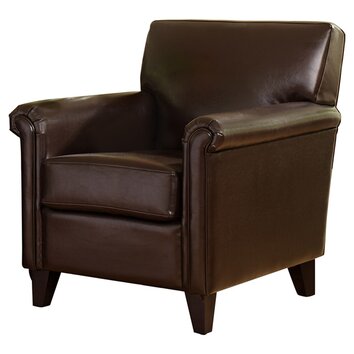
    Leather upholstery is a timeless look that will always be in style.
    Elements of Traditional Style: How to put together a classically refined look
    The Palette:  A traditional interior is all about understatement—designs that catch your eye but don’t feel trendy or overdone. Consider decorating within one of the following palettes, which add depth to a space while retaining a sense of elegant restraint.
    • Polished Neutrals:  Cream, taupe, and espresso are versatile tones that blend well with nearly any accent colors and decor. Stick to neutral shades on your foundations, such as walls and upholstered furniture, and incorporate texture via plush pillows, rugs, abstract wall art, decorative lighting, and accents with a hint of shine.
    • Classic Drama:  A neutral palette with one or two deep color pops, such as navy, deep claret, olive, or rich gold, walks just the right line between conservative and fashion-forward. Vibrant window treatments, accent chairs, pillows, and throws are perfect ways to incorporate bolder shades while maintaining Traditional style.
    • Gorgeous Grayscale:  The combination of black, white and gray feels both sleek and traditional. Mix furniture and accent pieces in black and white, and incorporate grayscale patterns to provide visual interest. For added drama, layer in glossy lacquer, shimmering mercury glass, and touches of brass, chrome, and pewter.
    Choosing Traditional Furniture
    For traditional spaces that still feel fresh, aim for a balance between old and new, antique and contemporary. Opt for a more contemporary china cabinet or etagere, while picking traditional couches and loveseats matched with an antique estate sale coffee table. Nailheads, tufted fabrics, and linen upholstery are great ways to help your home achieve the traditional style look. These guidelines below can help you select just the right blend:

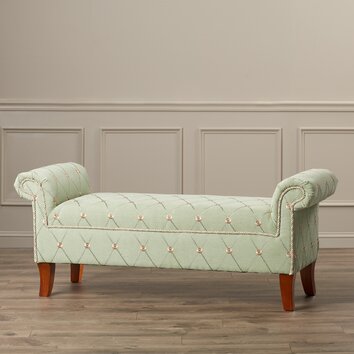
    Showcasing a diamond trellis motif and rolled arms, this charming traditional bench makes the perfect addition to your master suite or entryway.
    • Choose classic silhouettes:  Wing chairs, spool chairs, trestle tables, and chaises are beloved for a reason and essential traditional furniture choices. Features like cabriole legs, and claw feet make tables and chairs feel regal, and interesting details keep the eye moving from piece to piece.
    • Look for tailored upholstery:  The traditional look is very finished. Hand-applied details such as button-tufting, nailheads, and welting convey refinement and speak to classic aesthetics.
    • Mix your finishes:  For a collected look, combine wood furniture in ebony, cherry, and chestnut shades. Don’t be afraid to break up a living room or bedroom set. Mixing in glass and stone-topped tables can add to a room’s layered effect.
    Traditional Accents & Decor
    A hand-selected assortment of decorative touches sets a thoughtful, dignified tone. Consider these ideas when choosing accents for your traditional space.
    • Mix in antiques:  A few key heirlooms lend seriousness to a room. Try hanging an antique mirror above a contemporary sofa, or dress a sleek bookcase with a set of vintage figurines or leather-bound books. The contrast will draw attention to the age and history of your finds, sparking conversation.
    • Dress walls and windows:  Whether you opt for simple rod-pocket curtains or elegant pinch-pleat drapes, window treatments and hardware help to finish a traditional decor scheme. Similarly, hanging a collection of wall art can give a gallery-like sophistication to a space.
    • Fill it with flowers:  Nothing says classic hospitality like an arrangement of greens greeting you (and your guests) at the door, or a vase of small blooms in the guest bath. Change out seasonal arrangements to reflect upcoming holidays and occasions, and guests will always look forward to dropping by and seeing what’s new. 

    https://www.jossandmain.com/Traditional-C1860552.html

    The Glam Style Guide

    If you think that every day should be a special occasion, the only appropriate gift is jewelry, and there's no point in getting dressed unless you're doing it to the nines, this dazzling decorating style will make you feel right at home. Read on for a crash course in getting a glam furniture and décor look.
    Glam Style 101: The basics of a high-style space.
    1. Pile it on: When it comes to decorating a glamorous space, more is more. Build your room around embellished furniture, shimmering accents, and bold color combinations.
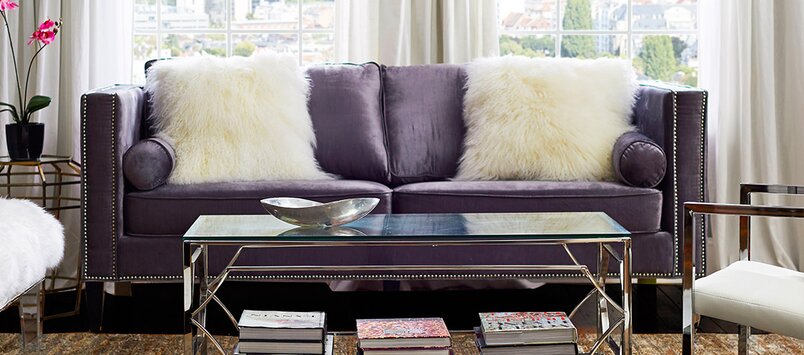
    2. Go Lush and Plush: Furniture and textiles with luxurious texture—like plush velvet sofas, satin sheets, cashmere throw blankets, and flokati rugs—are a staple of the style.
    3. Bring on the Bling: Take inspiration for a lavish look straight from your jewelry box: choose sparkling gem tones, pearlescent finishes, and crystal accents. And don't forget metallics: Incorporate silver and gold tones with chrome light fixtures, brass nailheads, or mirrored furniture.
    4. Add Drama: Each room should have at least one statement-making, show stopping piece. Seek out crystal-laden chandeliers, furniture with exaggerated silhouettes, or an oversized, Art Deco-inspired sunburst mirror.
    Elements of Glam Style: All of the tips you need to bring glamour to your home.
    The Palette: From neutral to saturated, there's a posh palette for every color preference. Here are a few of our favorite pairings for a luxe space.
    Bold and Bejeweled
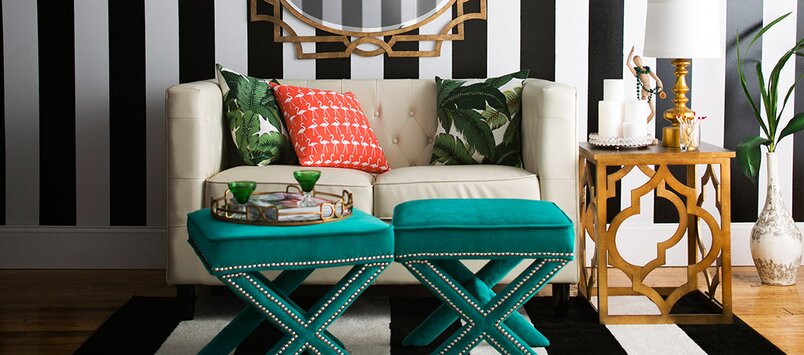
    For a regal look, base your color scheme around jewel tones. Mix shades of sapphire and turquoise, or pair rich ruby with glimmering gold for a gem of a palette.
    Black, White, and Glamorous
    It doesn't get more dramatic than a room based around classic black and white. Accent this high-contrast pairing with mirrored furniture or metallic silver accents.
    Classically Chic
    Like a perfectly tailored trench coat or little black dress, decor picks in black and camel exude upscale sophistication. To ensure the result is chic, not severe, mix in softer shades of cream and beige, too.
    Glam Furniture
    Incorporating furniture with upscale details and fancy finishes doesn't mean your home can't be comfortable and inviting, too. When decorating a glam room, remember the following to ensure a well-balanced space.
    1. Mix in Mirrored Pieces Create an elevated, but approachable mix by juxtaposing painted pieces or furniture in more traditional wood tones with a mirrored chest, desk, or accent table.
    2. Look for Dressy Details Like jewelry and accessories, tufting, nailheads, and piping are little details with big impact. The more embellishments your furniture has, the more formal the look.
    3. Add in Dramatic Silhouettes Set a chic scene with furniture that features exaggerated proportions or elaborate forms, like arched headboards, high-backed dining chairs, tuxedo sofas, or demilune chests.
    Glam Accents & Decor

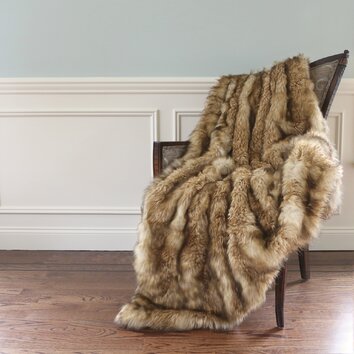
    Faux fur throws are a great way to show off your glam decor sytle.
    A show-stopping space spares no detail. Finish off your design with fanciful flourishes—like faux-fur throws, fashion-forward wall art, and eye-catching lighting — to ensure an elevated room. Opt for a flashy glam wall sconce in gold, black or white to help light up your living room. Read our tips below on how to get the glam out of your home accents and decor:
    1. Go High-Pile: Fur immediately evokes a sense of luxury. Incorporate it at home with a faux sheepskin throw blanket, a Mongolian fur ottoman, or a flokati rug.
    2. Light up the Room: Glam Lighting should be both decorative and functional. Try incorporating a candelabra chandelier, a beaded flush mount, or a pair of sconces with crystal drop shades into your space.
    3. Take Cues from Your Closet: Dress your walls with fashion-inspired prints featuring iconic design houses, or maps of stylish cities like Paris, London, or New York to add panache.
    4. Make the Room Bloom: Whether you choose real blossoms or faux bouquets, flowers are an essential part of glamorous decor. Opt for lush varieties like garden roses, peonies, and hydrangeas.

    https://www.jossandmain.com/Glam-C1860542.html

    The Sleek Studio Modern Style Guide

    If the idea of a crisp, clean, clutter-free space appeals to you, a modern look might be just the right fit for your home. Follow these tips below and discover how minimalist furniture, high-polish accents, and a bold but well-edited color palette can give your home a fresh new look.
    Contemporary Style 101: All of the essential moves for a modern home.
    Simplify and Minimize:
    Sleek, pared-down shapes are essential to modern design. Choose furniture and decor that are fairly compact and low-profile, such as sofas that sit closer to the floor, lamps with thin, slight bases, and accent tables with minimal hardware. Not only does this create a streamlined, airy look, it makes living in smaller spaces easier and more comfortable.
    Find the Right Angle:
    One of the most important characteristics of modern decor is clean lines and an emphasis on overall form rather than intricate detail. When choosing furnishings, select pieces that feature crisp angles and clean surfaces. Coffee tables, mirrors, and rugs for the modern home are often inspired by geometric forms—squares, rectangles, and triangles.
    Add Curve Appeal:
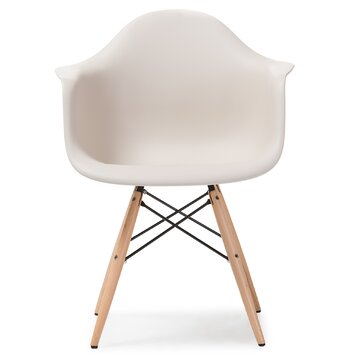
    While straight lines are important, a bit of curvature balances the look. Think bentwood chairs, tulip-style tables, and sculptural oval lamps.
    Turn Up the Heat:
    Modern design has an undeserved reputation for being stark and cold, but the right mix of pieces can create a truly inviting space. To keep more contemporary silhouettes from feeling sterile, choose accents in bold shades like red and orange, add a faux sheepskin area rug, or incorporate warm woods like polished teak, walnut, or maple.
    Elements of Modern Style: The fundamental components of contemporary style.
    The Palette:  Your home doesn’t have to be a vision in white to be modern—there are endless possibilities when it comes to your color palette. Any color scheme can work as long as it’s pared down enough. Stick with two or three colors for your anchor pieces, and play with accent colors to your heart’s content.
    The Classic:
    Juxtapose sophisticated neutrals like camel, navy, and black with shiny metallic finishes like brass, copper, polished nickel, and chrome.
    Electric Style:
    Choose a neutral like light grey or ivory and use different shades of it throughout your space. Then, throw in a pop of color using throw pillows, decorative bowls and vases, and artwork in neon hues.
    Into the Dark:
    Go deep by using mostly black and charcoal to decorate. Keep it from feeling closed off by incorporating lighter elements sporadically—for example, break up a sea of dark cabinetry with an ivory countertop. If you’re going with a black sofa, offset it with a white accent chair.
    Modern Furniture
    In our book, furniture needs to be both hardworking and beautiful. Create a home that’s modern and functional with these decorating ideas.
    Add Elements of Surprise:
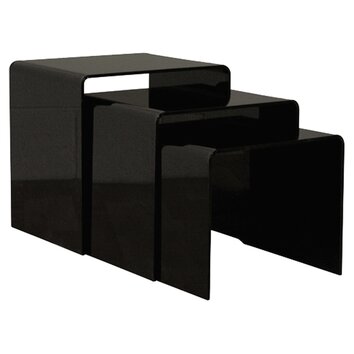
    In a smaller space, increase functionality by trying a sleek settee in place of a traditional sofa, a set of lucite nesting tables instead of a standard coffee table, or a storage ottoman instead of an extra arm chair.
    Leave it to the Legs:
    When choosing your furniture, don’t overlook the legs. Tapered legs, hairpin legs, and legs in a dark wood or even a chrome finish are all safe bets for modern spaces.
    Emphasize Wood Tones:
    Choose coffee tables, sideboards, or bookshelves in polished walnut or burled wood to create a warm environment that still feels modern.
    Modern Accents & Decor
    Once you’ve taken care of the color palette and the larger items, you’re free to play with smaller accent pieces. Find the perfect modern details for every room of your home by following these tips.
    Go Chrome:
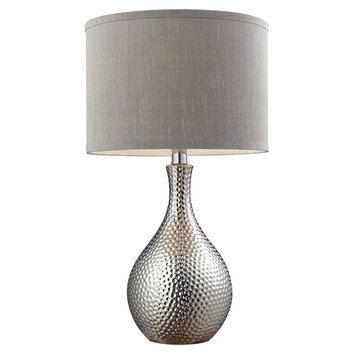
    Quintessential to the modern aesthetic is shiny chrome. A table lamp with a chrome base, a bookshelf with chrome shelves, or a gleaming light fixture is a sure way to command attention.
    In the Abstract:
    Since many modern furniture pieces are artful and sculptural in their own right, they pair well with quirky wall art and sculptures. Try a colorful abstract print on its own or in a gallery wall, or place a shapely statement object on your coffee table or mantel.
    Float On:
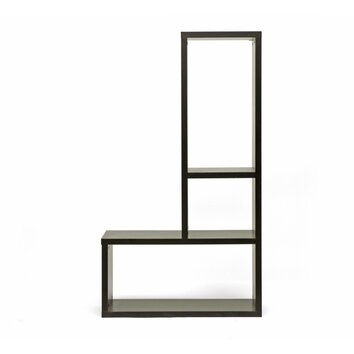
    Instead of a standard bookcase, consider using a series of floating shelves to display your collections. You can also lean framed pieces against the wall this way. Floating shelves are an easy way to change up your décor, and because they’re suspended off the ground, they can help create the illusion of more space.

    https://www.jossandmain.com/Modern-C1860540.html

    Cottage Furniture Style Guide


    Love the idea of living in an inviting cottage full of flea-market treasures? Any space can be transformed into a shabby-meets-sophisticated space with a few thoughtful touches. Create your own inviting, timeworn look at home with these cottage furniture ideas and decorating tips.
    Cottage Style 101: How to create a charming, welcoming look in any home.

    Embrace Distress:
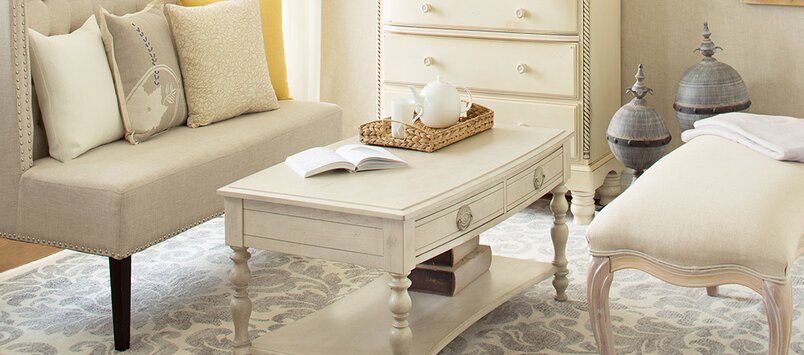
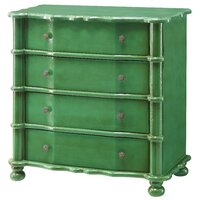
    What sets a cottage-inspired space apart is its sense of easy hospitality. Weathered, distressed pieces set a relaxed tone and lend your furnishings a sentimental air. Common finishes for country -cottage furniture, décor, and accents include whitewash or gesso, galvanized metal, and vintage glass.

    Think Heirloom, not Antique:
    A hallmark of shabby-yet-sophisticated style is items that nod to the past. But that doesn’t mean you have to source museum-quality antiques. Family heirlooms, yard-sale finds, and items that appear “found” or passed down add as much, if not more, cottage charm to a room.

    Bring In a Bit of Whimsy:
    Whether it’s a ceramic rooster perched on a kitchen shelf, a candleholder fashioned from mason jars, or burlap table runner, items with an unexpected story keep a home’s mood light.

    Mix the upscale with the utilitarian:
    A vintage-style chandelier offers a delightful contrast to a barnwood headboard, while delicate china displayed against humble beadboard assumes a quiet grace. Mix and match to create the perfect balance of elegant and rustic.

    https://www.jossandmain.com/Cottage-C1860535.html

    The Rustic Furniture Style Guide
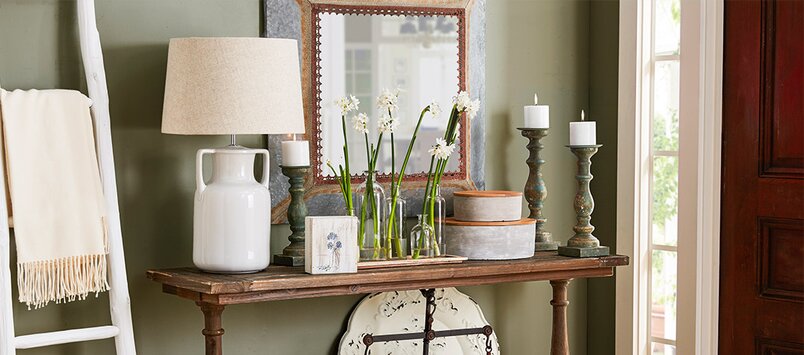

    If a warm, cozy space filled with vintage-inspired finds and tidbits of history appeals to you, then rustic decor may be the perfect fit for your home. Follow these design tips and use rich leather, distressed woods, and hints of metal to give any room a well-worn, laid-back feel.
    Rustic Style 101: All of the essentials for a rustic home.
    1. Distressed is Best: Furniture and accents that appear timeworn will give your space a homey, lived-in look. Intersperse newer-looking pieces, like plush throw pillows and polished wall sconces, to keep it from feeling too shabby.
    2. Work with Wood: Shelving, consoles, and coffee tables in rough-hewn wood are hard-working but feel cozy. Pieces made from reclaimed wood bring an element of antiquity to your home.
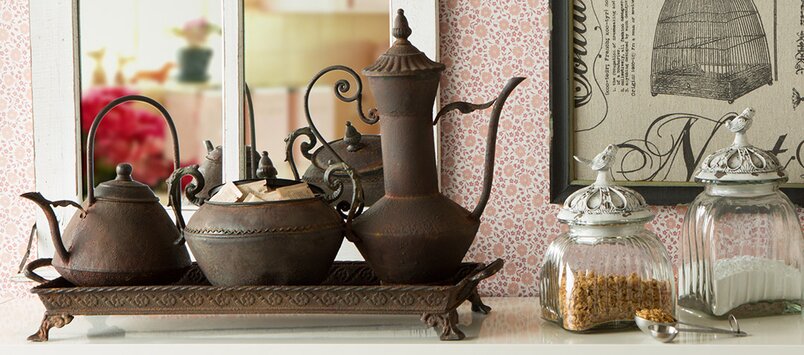
    3. Mix and Match Metals: Copper, steel, and iron work well together in a rustic setting. Iron wire baskets, copper pitchers, and steel barstools are all useful ways to incorporate metals in your space.
    4. Love Leather: Sofas, arm chairs, and benches upholstered in buttery leather are both practical and comfortable, while storage bins and large trunks with leather details exude rustic appeal.
    Elements of Rustic Style: All of the necessary components to achieve a rustic look.
    The Palette: It's hard to go wrong with a rustic color palette. Choose a neutral color scheme and mix in hints of warm and cool colors for a welcoming, relaxed space that still has an indisputable energy about it.
    A Traditional Approach
    A classic rustic color palette is forged in deep browns, grays, black, and dashes of navy blue and sage green. Warm auburn and hints of paprika tie it all together to create a cozy, inviting home.
    Rustic, Redefined
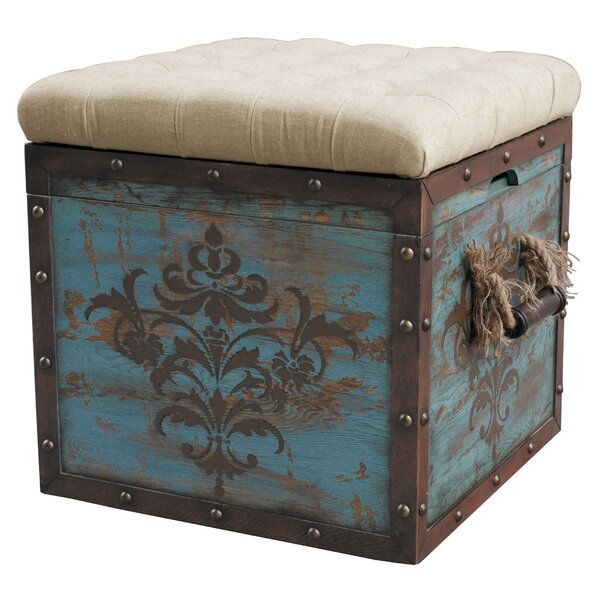
    Add pops of brighter hues throughout your space-a chest in a weathered robin's egg blue, an accent stool in a rusty red, and an iron bench in a bright kelly green all achieve this.
    Light and Bright
    Reflect more light and give your home an airy feel with a lighter color scheme. Combine white, ivory, and lighter gray with small accents in a color like pale green or burnt orange for a fresh take on rustic style.
    Rustic Furniture
    Rustic decor has a warm, inviting feel. Make sure you channel that in your furniture by choosing pieces that incorporate soft leather, casual fabric, sturdy wood, and hints of metal.
    1. Go For an Industrial Edge: Classic silhouettes with factory-inspired detailing tie in well with a rustic design scheme. Find this look in cabinets with wire-fronted drawers, bookshelves made from metal rather than wood, and consoles on large casters.
    2. Keep it Cozy: Soft leather sofas, wicker arm chairs, and footstools upholstered in casual linen all help a space to feel laid-back and comfortable.
    3. Choose Wooden Furniture: Rough-hewn wood is a must-have in any rustic home, so choose a media cabinet, dining table, or nightstand in a beautiful, long-lasting wood to achieve this classic look.
    Rustic Accents & Decor
    Add a personal touch to your space with vintage-inspired finds and accents that tie the rustic look together.
    1. Light it Up: Simple iron chandeliers, pendants, and table lamps are all hallmarks of the rustic design scheme. Add in a light fixture or two with metal or wire cage shades to bring in a subtle industrial twist.
    2. Climb Up the Walls: Don't forget to utilize all of your wall space-hang distressed, understated wall clocks, large vintage prints, and unique shelving units to fill it out.
    3. Bring the Outdoors In: Display seasonal wreaths, faux taxidermy, and chandeliers made from faux antlers to create a lodge-like space.

    https://www.jossandmain.com/Rustic-C1860529.html